
AI improves order management by automating order entry, tracking and inventory updates, forecasting demand from sales history and seasonal trends, and flagging mismatches between orders and stock before they ship. The result is faster processing, fewer errors and stockouts, real-time status updates for customers, and a process that scales without adding headcount at the same rate.
Managing orders sounds simple until delays, inventory errors and miscommunication start piling up. One missed shipment can turn into lost revenue, frustrated customers and a damaged reputation. Whether you're a small business owner or running a complex supply chain, AI tools can simplify the work and grow with you.
What are the challenges of traditional order management?
Order management looks straightforward: process an order, fulfill it, repeat. For businesses on manual systems or outdated processes, it rarely runs that smoothly. The most common pain points:
Human error
Mistakes in data entry, inventory tracking or shipping details lead to late or incorrect orders. Small mistakes add up, costing time, money and reputation.
Inefficiency
Manual workflows mean juggling spreadsheets, emails and phone calls, which slows everything down. When your team is buried in routine tasks, there's little room left for growth work.
Poor demand forecasting
Without current data, predicting demand is guesswork. Overestimate and you're overstocked; underestimate and you lose sales opportunities.
Customer dissatisfaction
Delays, mistakes and poor communication create disappointed customers. With buyers expecting fast delivery and real-time updates, those expectations are hard to meet without a well-run system.
How does AI improve order management?
AI doesn't just patch the weak spots in a manual process. It changes three core functions:
How does AI automate order processing?
AI takes over repetitive, time-consuming tasks like order entry, tracking and inventory updates. Instead of someone updating stock levels after each sale, the system does it instantly, which frees your team for higher-value work.
How does AI forecast demand?
AI analyzes historical sales, seasonal trends and even external factors like weather to predict future demand. That helps you prepare the right amount of stock for peak periods, not too much and not too little.
How does AI reduce order errors?
AI reduces human error by catching inconsistencies and anomalies before they become costly. If inventory records and order data don't match, the system flags it right away, before a wrong shipment or a stockout.
What are the benefits of AI in order management?
Speed
AI speeds up every step from entry to fulfillment. Orders that used to wait in a queue for manual handling move through much faster, and your team can focus on planning instead of data entry. Faster processing means happier customers.
Better customer experience
Real-time order status updates and accurate tracking make the process transparent and build trust. AI chatbots can also answer delivery-time questions around the clock without adding to your team's load.
Lower costs
Automating repetitive tasks and reducing errors cuts operating costs: less manual labor, fewer losses from overstocking or stockouts, and fewer resources spent on returns and disputes.
Scalability
AI systems grow with your business. Whether you handle dozens of orders a day or thousands, the same system can absorb the extra volume without the accuracy problems that come with stretching a manual process.
How are businesses using AI in order management?
E-commerce
Online retailers use AI-powered inventory systems that track stock in real time and anticipate demand surges during shopping seasons. Personalized product recommendations also boost sales by showing customers what they're likely to buy.
Supply chain optimization
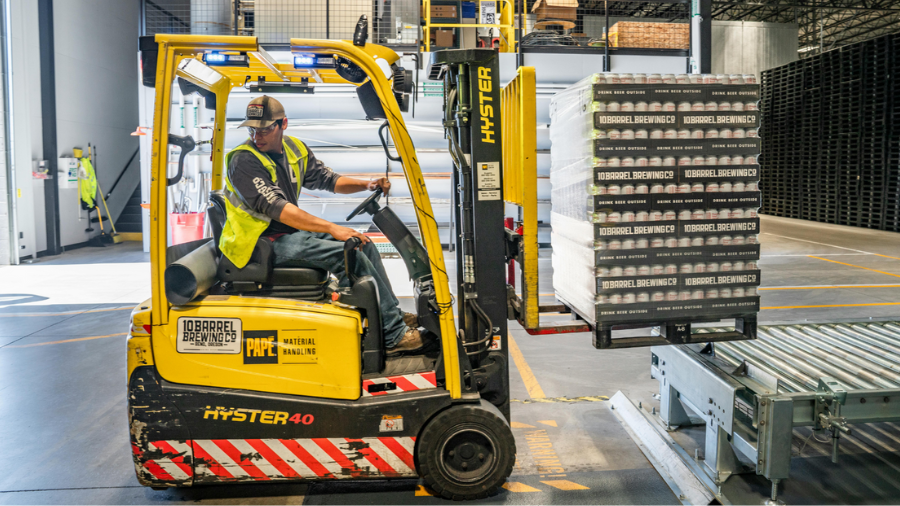
AI tools streamline supply chains by monitoring shipments, optimizing delivery routes and spotting bottlenecks early. Logistics companies, for example, use AI to reroute trucks around traffic or weather. For more, see AI in logistics.
Warehousing
Fulfillment centers use AI-driven robots to pick, pack and label orders. Amazon's fulfillment centers are a well-known example, with robots that help manage inventory and fulfill orders.
Case study: Zara
Global fashion retailer Zara has integrated AI into its supply chain and inventory systems to keep stores stocked with the right products at the right time, which reduces waste and avoids stockouts of popular items.
What should you consider before adopting AI for order management?
Upfront cost
AI isn't cheap, especially for a small business. Software and integration costs come first. Treat it as a long-term investment: the return comes from lower costs, fewer errors and more satisfied customers, so estimate those against your current order volume before you buy.
Integration
AI has to work with your existing tools, such as your ERP or CRM. Integration takes time and may need outside expertise, so plan the transition.
Training
Your staff will need to learn to work alongside AI tools. Training helps them use the technology well and fit it into daily workflows. When people and AI work together well, results improve.
Choosing the right solution
Start with your specific need, whether that's demand forecasting, order tracking or inventory management, and pick a solution built for it. Look for vendors with a track record and solid support.
What's next for AI in order management?
Autonomous fulfillment centers
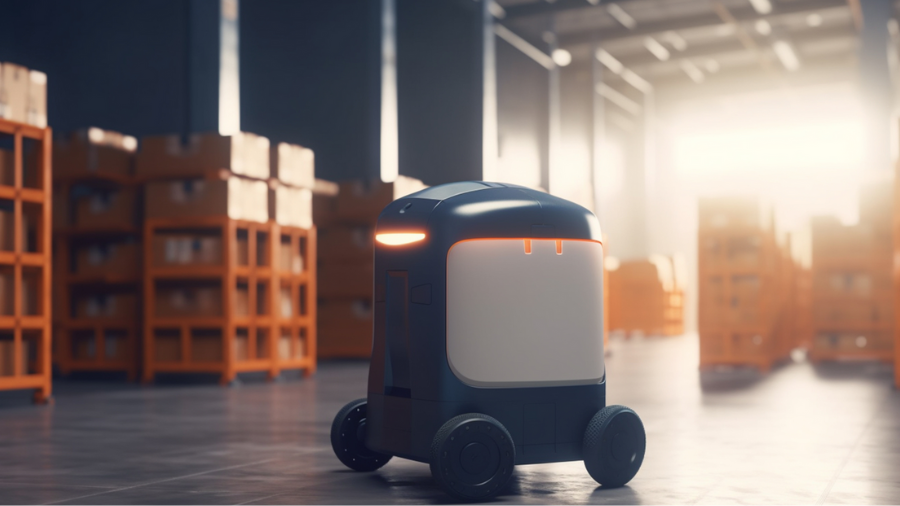
Some companies are already experimenting with warehouses where AI and robotics handle most tasks, from inventory management to packing and shipping, with minimal human intervention.
Blockchain for transparency
AI combined with blockchain could set a new standard for order tracking, giving customers a transparent view of each step while protecting data integrity.
Deeper personalization
Future systems may use customer data to deliver more personalized shopping experiences, from dynamic pricing to recommendations.
Greener supply chains
AI can help in creating greener supply chains by optimizing inventory and reducing waste, lowering environmental impact without hurting profitability.
Ethics and governance
As AI takes on more, businesses need to address ethical questions about data use, privacy and job displacement. Expect regulation to keep evolving.
Is AI order management worth it for a small business?
It can be, especially if you process orders every day and start with the problem that costs you the most, such as stock errors or slow order entry. AI fixes the inefficiencies of manual systems and scales as you grow, but it takes planning, integration work and responsible use. Our guide to AI for small business covers where to begin.
Frequently asked questions
How does AI improve order management?
AI automates order entry, tracking and inventory updates, forecasts demand from historical sales and seasonal trends, and flags mismatches between orders and stock before they turn into shipping errors.
How does AI reduce order errors?
It catches inconsistencies and anomalies, such as a mismatch between inventory records and order data, and flags them right away so they can be fixed before an order ships.
Can AI forecast demand for inventory?
Yes. AI analyzes historical sales, seasonal trends and external factors like weather to predict demand, which helps avoid both overstocking and stockouts.
What should a business consider before adopting AI for order management?
Plan for the upfront cost, integration with existing ERP or CRM systems, staff training, and choosing a solution built for your specific need, such as forecasting or order tracking.
Is AI order management only for large companies?
No. AI systems scale with volume, so a small business can start with one problem, such as stock errors or slow order entry, and expand as it grows.
Custom build
Have an agent built around your workflow
Orders, invoices, pricing, CRM updates: tell us the process in a 15-minute call and we scope an agent that runs it, with a human in the loop where it matters.